Tell us about the job
Takes about a minute. No obligation.
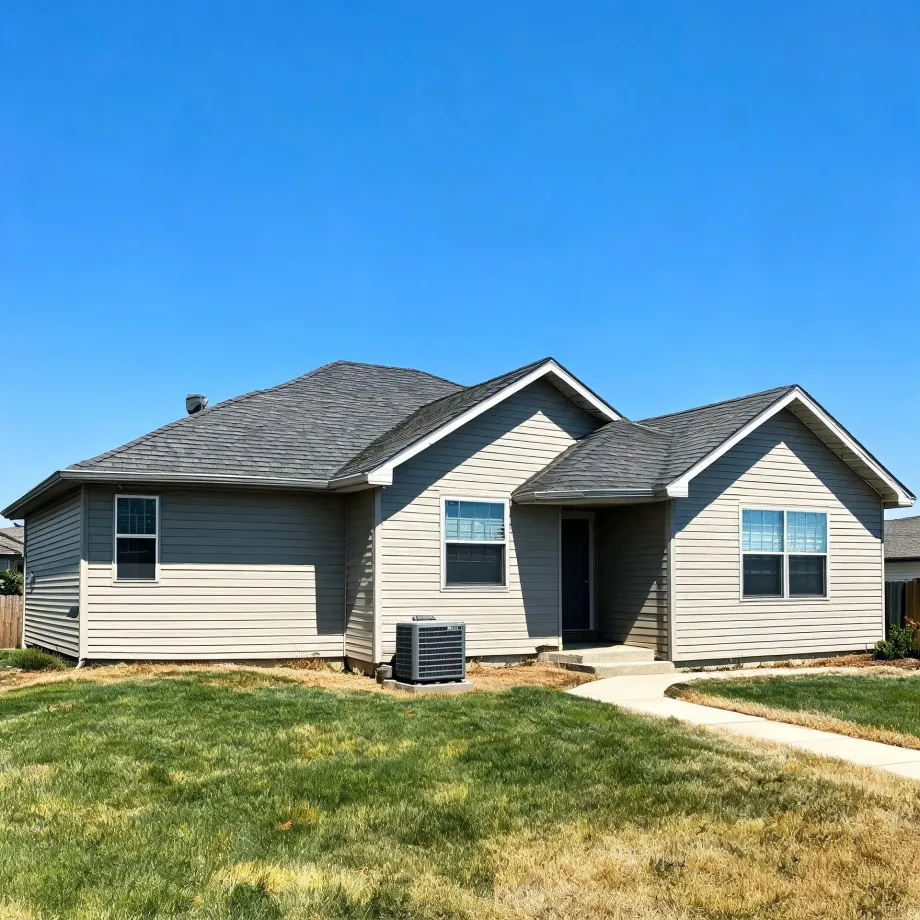
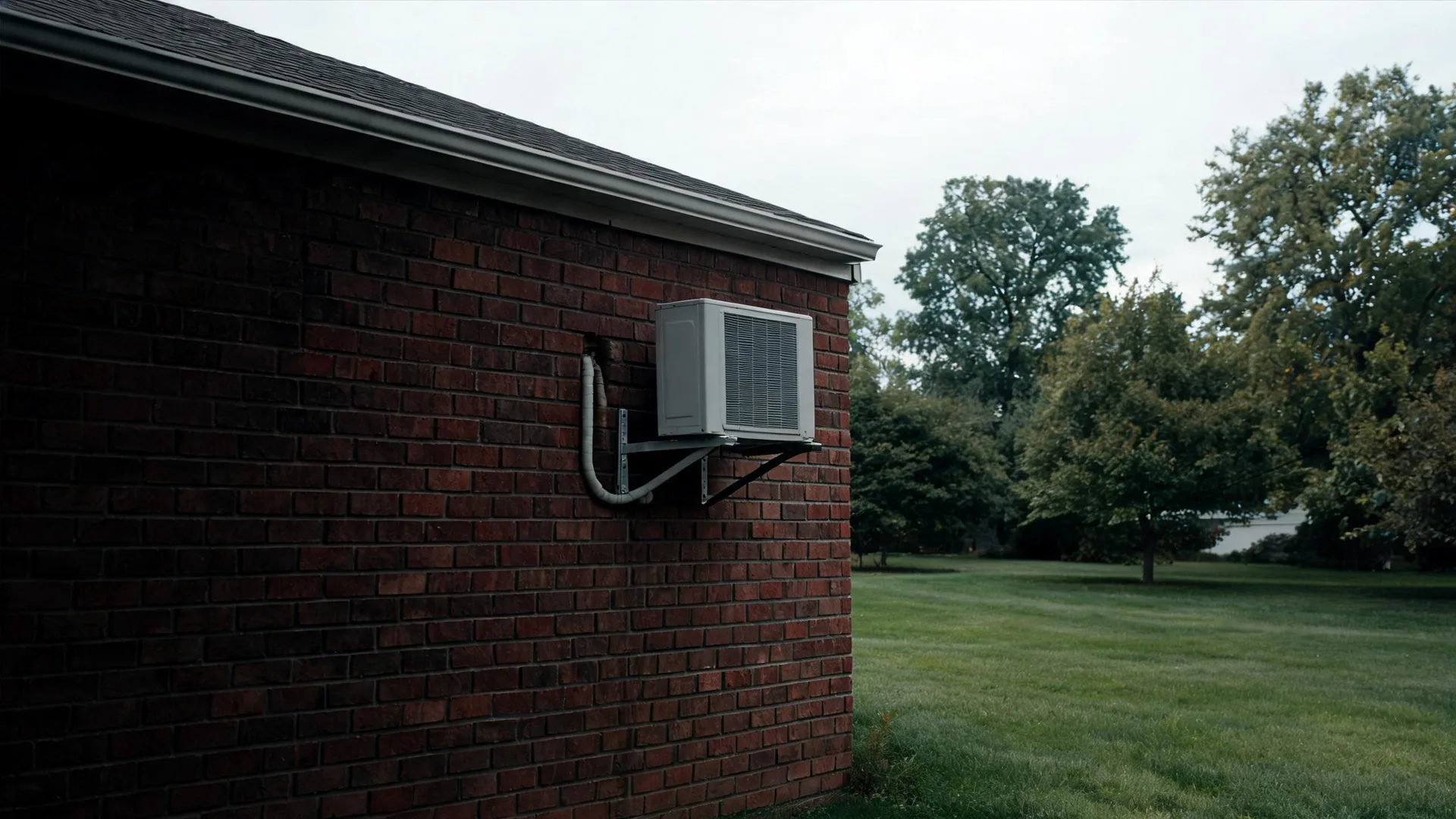
Sizing a mini-split for this area starts with understanding what the compressor is actually asked to do. Homes in Lower Connecticut River Valley Planning Region, CT run cooling about two months a year, from July through August. The compressor, the condenser fan, and the contactor all take their wear in that concentrated window, then sit idle the rest of the year. A unit that starts the season with a low refrigerant charge or a poorly positioned outdoor unit runs hotter and harder than it should during the only weeks it matters. A contractor quoting an install here needs to get the load calculation and the placement right from the start, because there is no extended runtime later in the year to reveal a marginal setup before it becomes a failed one.
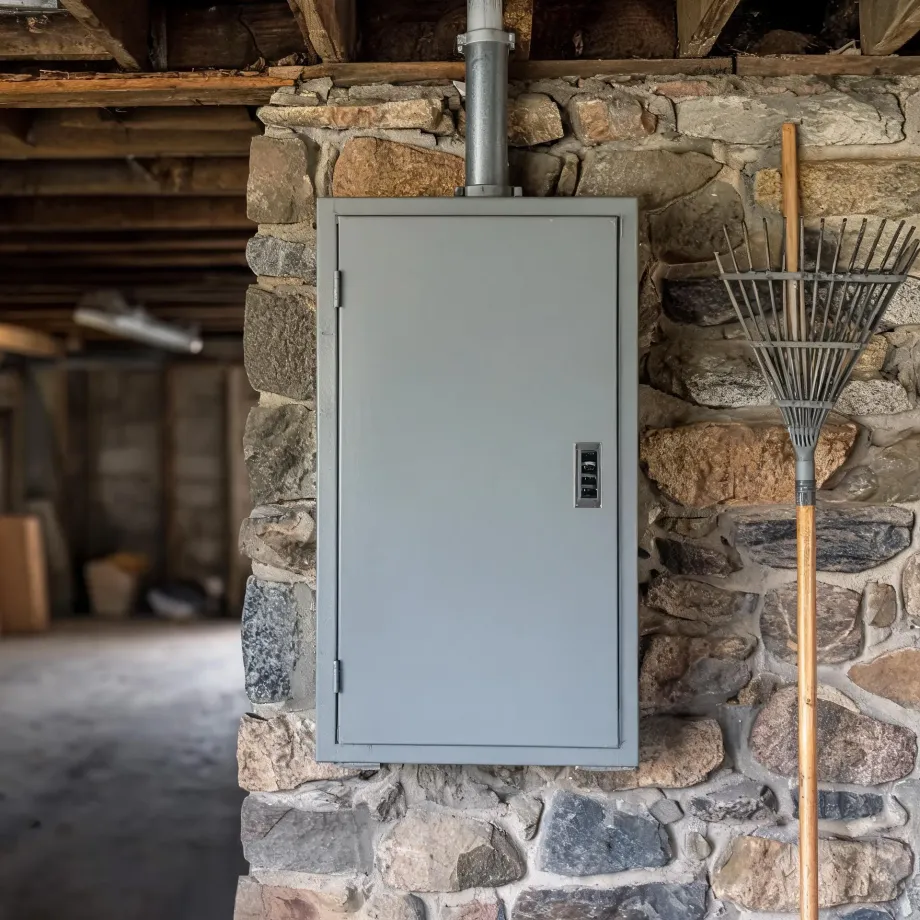
Electrical panels in this region's housing stock were built for the loads of their era, and a mini-split adds a draw that many of those panels were not sized to handle without an upgrade. Half the homes in Lower Connecticut River Valley Planning Region, Connecticut were built in 1972 or earlier (2020-2024 ACS 5-year). A contractor quoting a mini-split here prices the panel before the unit, because the wiring is where the job can widen. Ductwork is not a factor with ductless equipment, but the electrical is, and in stock of this vintage it is the variable that determines what the installation actually costs.
What a Mini-split Installation Puts in Your Home
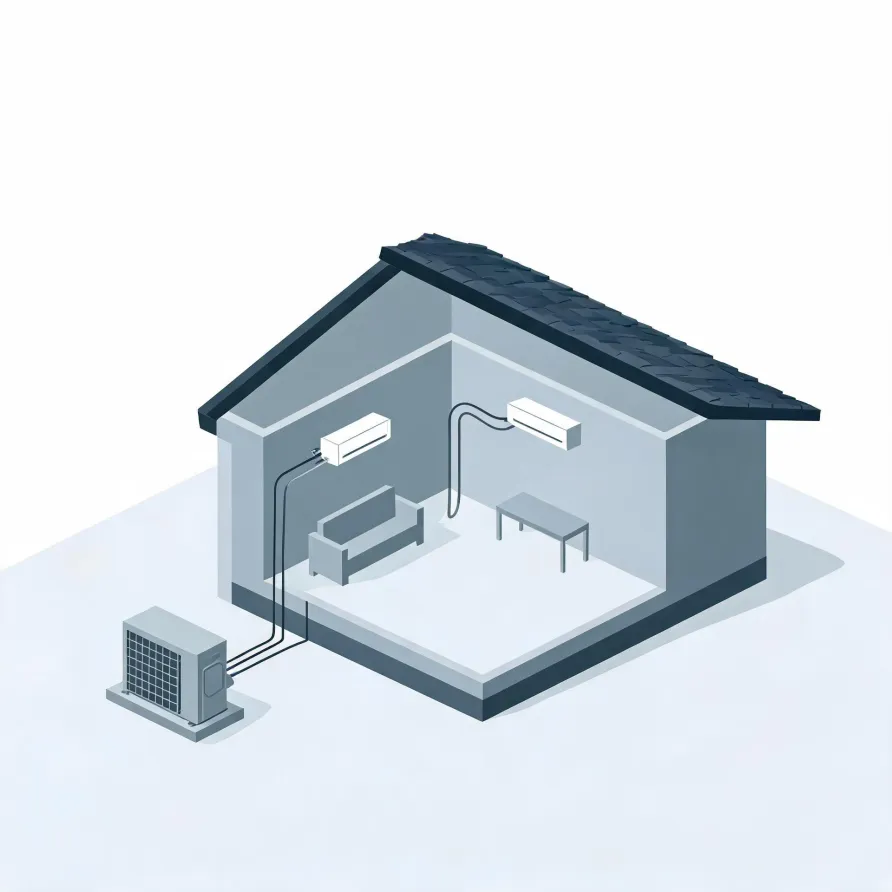
The indoor air handler mounts high on an interior wall inside the room being conditioned, pulling in room air and delivering treated air back out. The outdoor compressor unit sits on a pad or bracket outside the house and holds the components that drive the whole system.
A conduit bundle runs through a small opening in the wall to connect the two units, carrying refrigerant lines, a power cable, and a condensate drain line. Some installations include more than one indoor unit tied back to a single outdoor unit, each mounted in its own room.
The drawing shows a typical layout, and a licensed contractor determines exactly how each piece fits your house.
Find a contractor in Lower Connecticut River Valley Planning RegionLower Connecticut River Valley Planning Region, by the numbers
Half the homes in Lower Connecticut River Valley Planning Region, Connecticut were built in 1972 or earlier (2020-2024 ACS 5-year).
U.S. Census Bureau, 2020-2024 American Community Survey 5-Year EstimatesLower Connecticut River Valley Planning Region, Connecticut holds 82,963 housing units (2020-2024 ACS 5-year).
U.S. Census Bureau, 2020-2024 American Community Survey 5-Year EstimatesOwners occupy 75.8% of the occupied homes in Lower Connecticut River Valley Planning Region, Connecticut (2020-2024 ACS 5-year).
U.S. Census Bureau, 2020-2024 American Community Survey 5-Year EstimatesMini-Split Installation Rules and Codes for Lower Connecticut River Valley Planning Region, Connecticut1 sourced standards and regulations
Licensing Rules for Split System Work in Lower Connecticut River Valley Planning Region, Connecticut
Connecticut requires a state licence to perform, or to advertise, heating, piping and cooling work: no person may practise an occupation this chapter covers without first obtaining one.