Tell us about the job
Takes about a minute. No obligation.

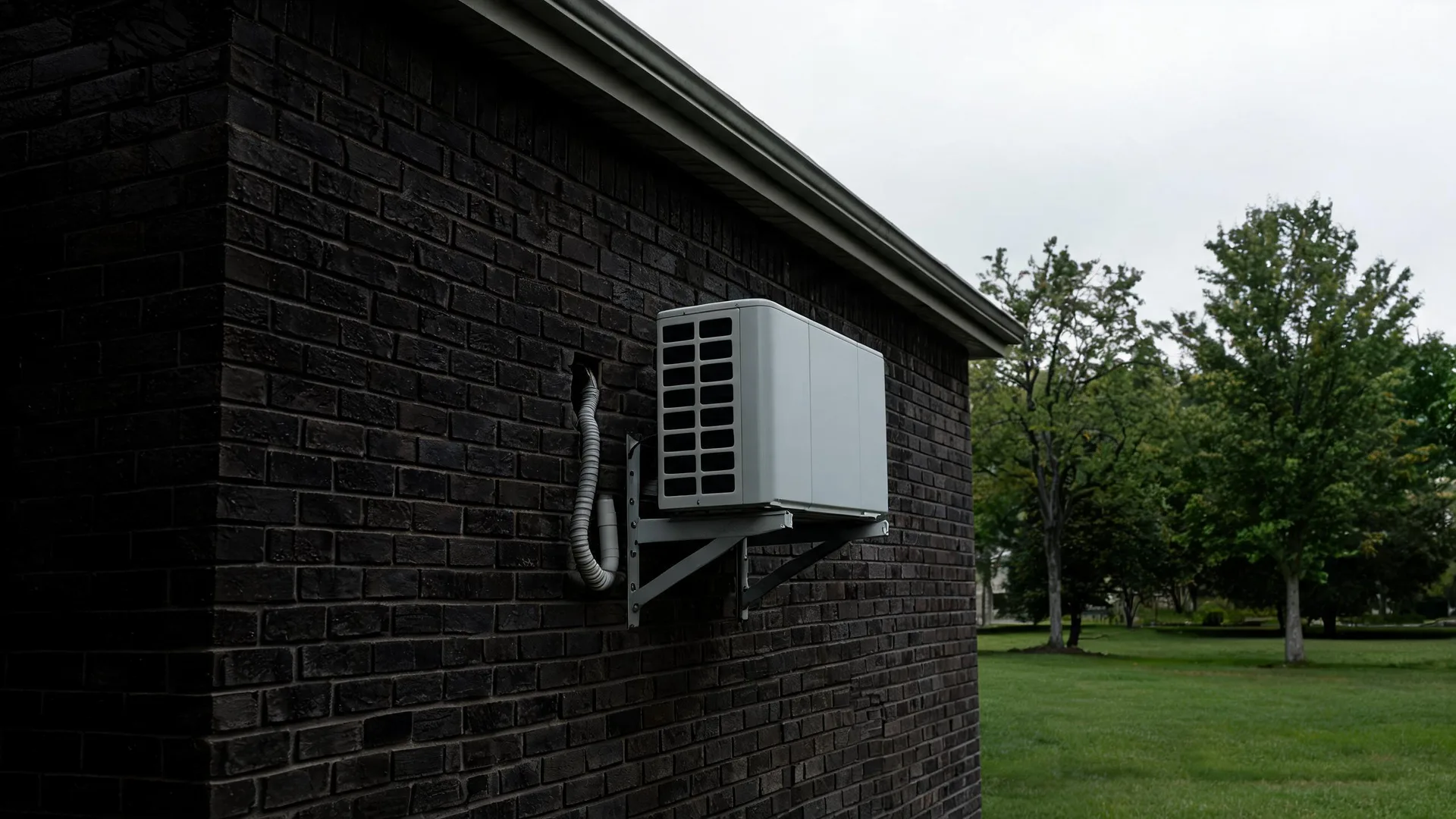
A mini-split compressor that trips out on the first genuinely hot day has most likely sat unused through fall, winter, and spring. Long idle periods let refrigerant migrate, capacitors drift, and contractor connections loosen without the regular cycling that would surface those faults earlier. Homes in Southeastern Connecticut Planning Region, CT run cooling about two months a year, from July through August. The compressor and condenser fan log modest seasonal runtime, so when a repair call comes in, the contractor checks dormancy-related faults first: failed start capacitors, refrigerant pressure that has shifted off spec, and drain lines that dried out and cracked. Wear from hard running is a smaller part of the story here than failure that developed while the unit stood off.
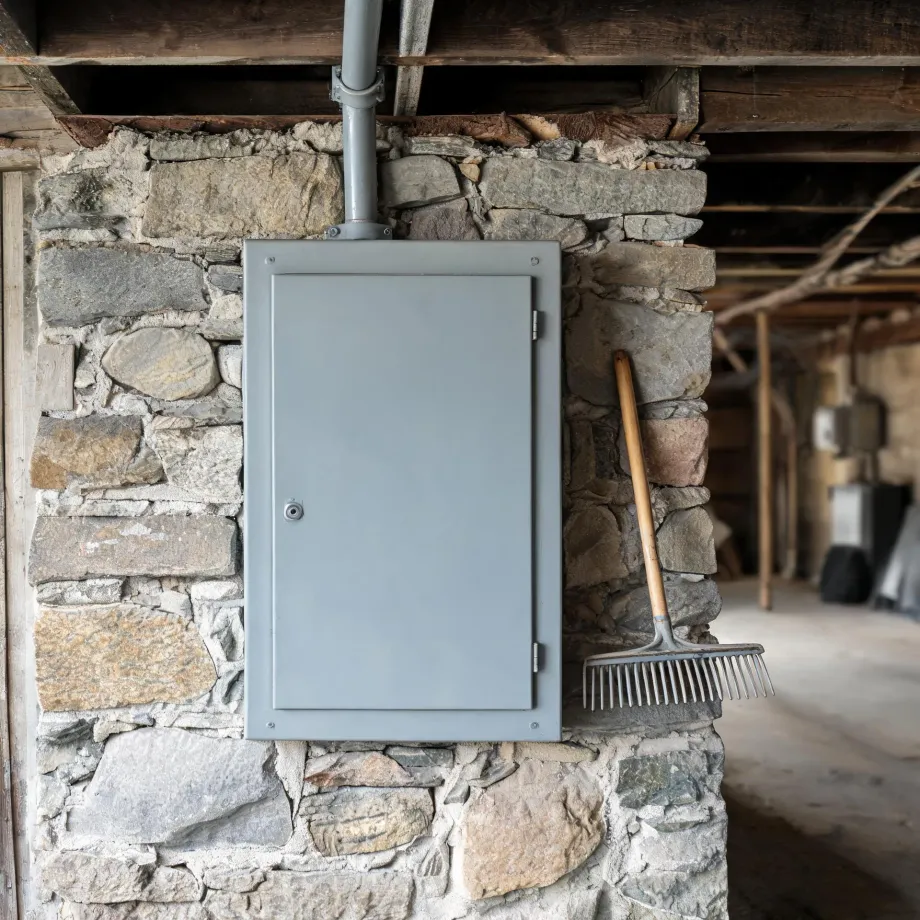
Refrigerant line sets in houses this old have been through a long run of Connecticut winters, and what a contractor finds when they open a mini-split here is often a fitting or a connection that has been stressed far longer than the unit itself. Half the homes in Southeastern Connecticut Planning Region, Connecticut were built in 1969 or earlier (2020-2024 ACS 5-year). That age on the structure means the penetrations, line set routing, and any prior patch work at the head or condenser connections have accumulated wear the unit's manufacture date does not show. A contractor tracing a refrigerant loss or a pressure fault checks those lines and fittings before assuming the problem is inside the unit.
The Parts of a Mini-split a Contractor Checks First
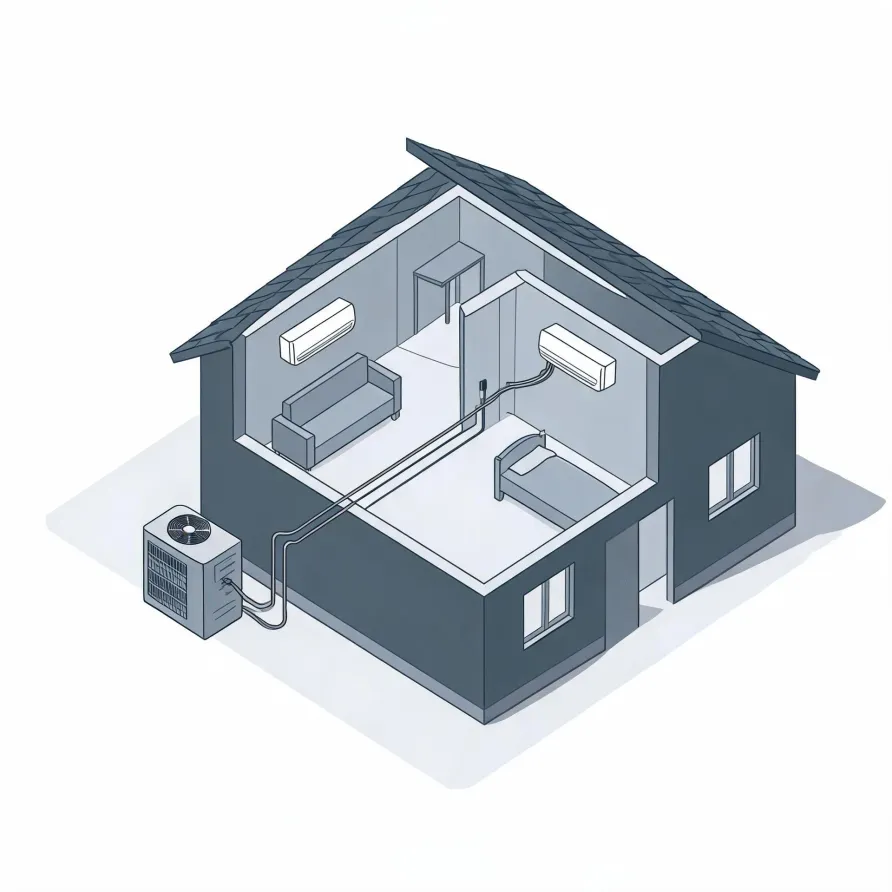
The indoor air handler mounts high on a wall inside the room and holds the evaporator coil, a blower fan, and a filter. When the system stops cooling or heating properly, or starts making noise, the handler is where a contractor looks first. A failed fan motor, a frozen coil, or a clogged filter all show up here.
The outdoor condenser unit sits on a pad or bracket outside the house and holds the compressor and the condenser coil. A refrigerant line set and a control wire run between the two units through a small penetration in the wall. Refrigerant leaks, compressor faults, and wiring failures all trace back to this connection between the two sides.
The drawing shows a typical mini-split layout, and a licensed contractor determines what applies to your specific installation.
Find a contractor in Southeastern Connecticut Planning RegionSoutheastern Connecticut by the Numbers
Half the homes in Southeastern Connecticut Planning Region, Connecticut were built in 1969 or earlier (2020-2024 ACS 5-year).
U.S. Census Bureau, 2020-2024 American Community Survey 5-Year EstimatesSoutheastern Connecticut Planning Region, Connecticut holds 126,425 housing units (2020-2024 ACS 5-year).
U.S. Census Bureau, 2020-2024 American Community Survey 5-Year EstimatesOwners occupy 65.1% of the occupied homes in Southeastern Connecticut Planning Region, Connecticut (2020-2024 ACS 5-year).
U.S. Census Bureau, 2020-2024 American Community Survey 5-Year EstimatesMini-Split Repair Rules That Apply in Southeastern Connecticut Planning Region, Connecticut1 sourced codes and standards
Licensing Rules for HVAC Repair in Southeastern Connecticut Planning Region, Connecticut
Connecticut requires a state licence to perform, or to advertise, heating, piping and cooling work: no person may practise an occupation this chapter covers without first obtaining one.