Is a mini split cheaper than baseboard heat in Connecticut
Get in touch with a local installer about a new mini split.
A mini split moves heat instead of making it from scratch, the way baseboard electric resistance does. That difference is why most Connecticut homeowners who switch end up paying less to stay warm, even with power priced the way it is here. Baseboard heat turns every dollar of electricity straight into heat. A mini split uses that same dollar to pull heat from outside air and push it inside, so it gets you more warmth per dollar even on a cold January night.
Summers change the math too. Baseboard heat does nothing for you from May through September. A mini split cools your rooms the whole time, which means it's doing a job baseboard never could, on top of costing less to heat with all winter.
None of that tells you what your specific setup will do. How many heads you have, where they're placed, how your house holds heat, what your baseboard system looked like before, all of that changes the number. A contractor who installs mini splits in Connecticut homes every season has seen enough baseboard-to-mini-split switches to know what tends to go right and what tends to go wrong in houses like yours.
If you're thinking about making the switch, or you already have a mini split and want to know whether it's actually saving you what it should, the next step is getting someone local to look at your actual setup. Not a call center, not three competing bids landing in your inbox at once. One licensed contractor near you, matched to what you're trying to do, reaching out to talk through your house specifically.
That's a different conversation than a general answer about Connecticut heating costs can give you. Your walls, your rooms, your old baseboard system, your new mini split, those are specifics only someone standing in your house can speak to with any certainty.
Is a mini split cheaper to run than baseboard heat in Connecticut?
You already know your baseboard heaters feel expensive to run, and with Connecticut power rates what they are, you want to know if switching to a mini split actually puts a dent in that bill or if it's just a different way to spend the same money. The answer depends on how each one makes heat, not just what it costs per kilowatt hour.
Yes, a mini split costs less to run than baseboard heat
Baseboard heat turns electricity straight into heat, one unit of energy in for one unit of heat out. A mini split instead pulls heat from the outside air and moves it indoors, so it can deliver several units of heat for every unit of electricity it uses. That difference holds even on a cold Connecticut night, though the mini split works harder and pulls more power as the temperature drops. Since you're paying some of the highest electric rates in the country, that gap between the two matters more here than it would somewhere with cheaper power. The baseboard will always use more electricity to hold a room at the same temperature.
Running clean, pulling heat instead of making it
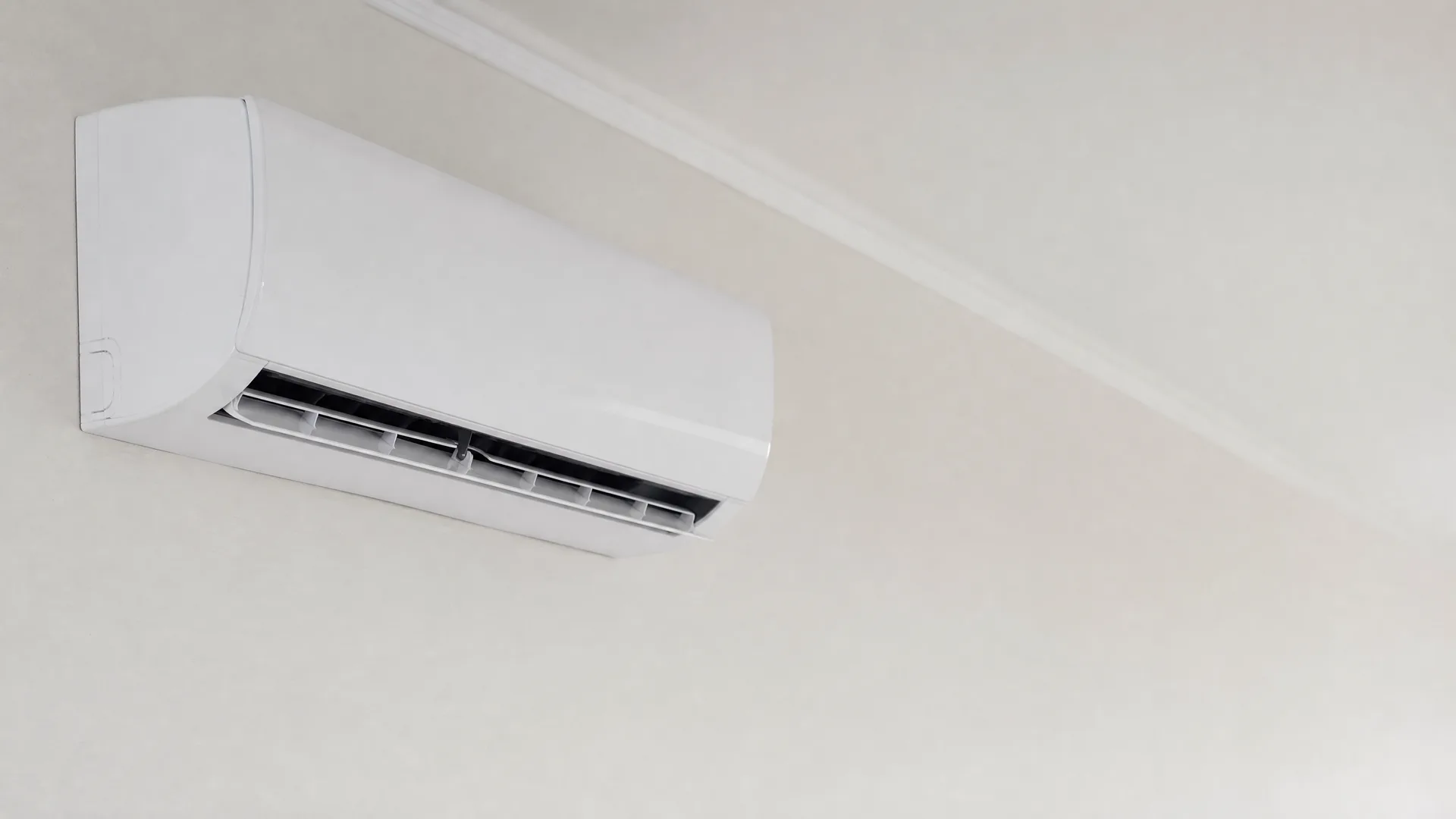
A mini split that looks like this is moving heat, not generating it from raw electricity the way baseboard does. That's the whole reason it costs less to run. The wall unit stays clear, the vent louvers move air freely, and the system isn't working harder than it has to.
Dust and grime cut into the savings
A mini split caked like this one is losing efficiency. Dust on the coil and a dirty filter block airflow, so the unit draws more power to put out the same heat. A local contractor who services these year-round can clean it and check the charge before winter costs catch up with you.
The right pro for this job
One installer gets your project, so there's no bidding war over it.
Describe your mini split job, and a local pro who handles it gets in touch.
A mini split that's clean and clear like this one is working the way it's supposed to, pulling heat with the least electricity it needs to do the job.
A mini split caked in dust like this one is losing airflow, and it has to run longer to keep up, which shows up on your bill.
In your house, that difference shows up on the baseboard heaters themselves. Feel the panel on a cold January night and it is working hard to warm the air right around it, while the rest of the room stays cooler than the thermostat setting suggests. A mini split instead pushes warm air across the whole room, so the people sitting in it feel even heat instead of one hot wall and cold corners. Baseboard also has no filter and no coil to clean, which sounds simple until you notice the dust it leaves on the wall behind it and the fact that it cannot be adjusted room by room without heating the whole house. With Connecticut power priced the way it is, every hour those baseboard units run at full resistance adds up on the bill, and a household trying to keep a bedroom warm for a kid or an older parent ends up paying for heat in rooms nobody is using.
300% efficient vs. 100%
A mini split can put out roughly three units of heat for every unit of electricity it uses. Baseboard gives you back exactly one. That gap is where your savings come from.
Baseboard heats a whole room to one setting. A mini split lets you hold the rooms you use warm and let the rest run cooler, which cuts the electric draw further.
Power costs 29.31 cents per kilowatt-hour statewide
At close to 29 cents a kilowatt-hour, every unit your heat wastes shows up fast on the bill. That's exactly why the gap between a mini split and baseboard adds up here more than almost anywhere else. The higher the rate, the more that 3-to-1 efficiency difference is worth to you.
EIA-861 2025 statewide residential average
Where baseboard still earns its keep
A small bathroom that only needs heat for twenty minutes in the morning is a fair fight for baseboard. It warms up fast in a small space, there's nothing to install on the wall, and you're not paying for a zone you barely use. If you've got one room like that, a baseboard heater on its own thermostat can make more sense than running a mini split system out to a space that small.
Where a mini split pulls ahead
Once you're heating a bedroom, a living room, or a whole floor through a Connecticut winter, the math changes. That mini split is moving heat for three units of warmth per unit of power instead of making one for one. Over a full heating season at Connecticut's rates, that gap between the two is what shows up as real money saved, not in one room but across every zone the system covers.
Less to run, most of the year
A mini split costs less to run than baseboard heat for most of the rooms in most Connecticut homes, and it does the cooling job in summer too, which baseboard never could. That second part matters here as much as the heating bill does once July gets sticky. Where baseboard still wins is the small room you heat for twenty minutes a day. Everywhere else, the mini split is pulling heat instead of making it, and on a Connecticut electric bill that difference is real.
What that's worth in your house depends on your rooms, your current baseboard setup, and how your place holds heat, none of which shows up on a page like this. A local contractor who installs mini splits in Connecticut homes all winter can look at what you have and tell you where it earns its keep and where it doesn't. Ask to be matched with one, and only one contractor reaches out, someone who already knows this climate and these systems.
Mini Split Installation
A mini split pro near you
Step 1 of 3: Equipment
A local pro who knows mini splits gets your details and gets in touch.
Send the form and the search for an installer is over.
After this form, you can stop searching for a mini split pro.
Describe your mini split job once, to one pro.
Skip collecting and comparing quotes for the new mini split.
Only one pro gets your request, so you hear from one company.