






Is a cold-climate mini split worth it in Connecticut

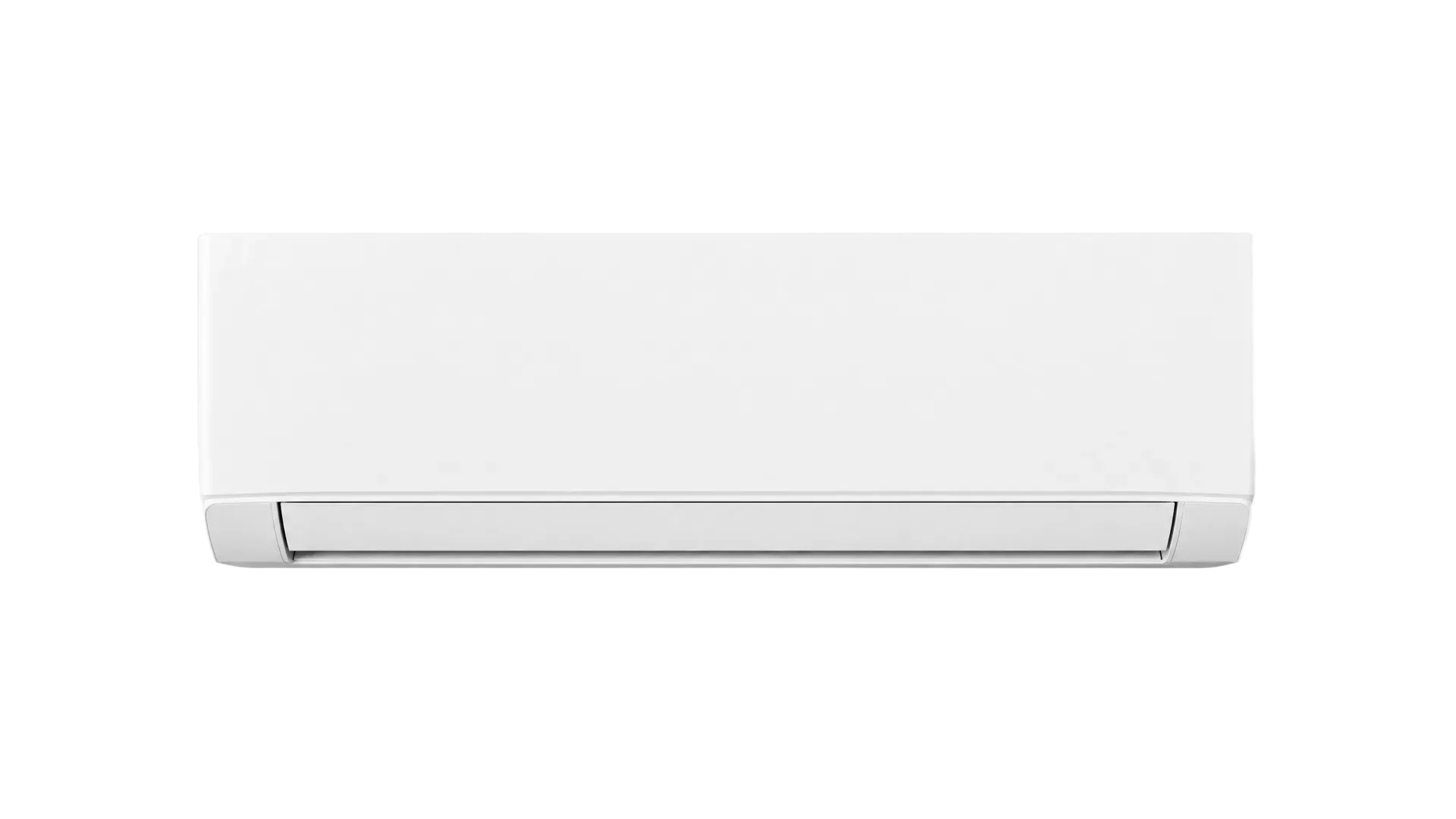
A white wall-mounted mini-split air conditioner indoor unit shown straight-on against a plain light gray background.
Let a pro reach out

Yes, a cold-climate mini split is worth it in Connecticut, as long as it's sized and installed correctly. These units use a variable-speed compressor that keeps pulling heat out of the outdoor air even when temperatures drop well below freezing, which is what separates a cold-climate model from a standard heat pump that struggles once it gets cold. That matters here because Connecticut winters run cold enough to push an undersized or poorly matched system into trouble, and summers get sticky enough that the same unit needs to pull real humidity out of the air, not just drop the temperature a few degrees. The installer has to size the unit to your house and set the controls to actually use the cold-climate compressor curve, not just the defaults. Get that wrong and you end up paying for cold-climate equipment that runs like an ordinary one. Get it right and you have a system that heats and cools on electricity you're already paying for, instead of running a second system alongside it.

A man with grey hair and stubble in a dark sweater sits on a grey sofa indoors, looking off to the side, with a potted plant and a sunlit window behind him.
A man with gray hair, a beard and glasses, wearing a dark green sweater, sits on a gray sofa in a sunlit living room with a potted plant, table lamp and wooden sideboard behind him.
A middle-aged man with graying hair and a short beard sits on a blue sofa in a living room, looking toward a window, with a bookshelf, lamp and framed picture in the background.
A man with graying curly hair and a dark green sweater sits on a gray sofa in a sunlit living room, looking off to the side, with a framed picture, shelving, an armchair and a window with sheer curtains behind him.

The compressor is what sets a cold-climate mini split apart. Instead of the old on-off cycle, it ramps its speed up and down to match what the room actually needs, which is why it keeps producing heat on a January night when a standard heat pump would give up. When frost builds on the outdoor coil, the system runs a short defrost cycle, reversing briefly to clear it before going back to heating. Many cold-climate outdoor units also carry a base pan heater, so the fan doesn't get frozen in place after a Connecticut ice storm or a heavy snowmelt refreeze. None of that matters if the unit isn't sized right. Sizing has to come from a heat loss calculation done room by room, not a square footage guess. Go too big and the system short cycles during Connecticut's mild spring and fall weeks, then can't wring the humidity out of the air during a sticky August stretch. Where the indoor head gets mounted matters too, since its sensor reads the room from wherever it's hung, and a spot near a doorway or in direct sun will throw that reading off.

How a Cold-Climate Mini Split Works

  • A cold-climate mini split uses a variable-speed compressor that ramps up output as the temperature drops, instead of just switching on and off.
  • Below about 5 degrees, most units lean on a defrost cycle that briefly reverses the system to melt frost off the outdoor coil.
  • The outdoor unit has a base pan heater on many cold-climate models that keeps ice and snowmelt from locking up the fan.
  • Sizing comes from a room by room heat loss calculation, not a rule of thumb based on square footage alone.
  • A unit sized too large will short cycle in Connecticut's mild shoulder months and struggle to dehumidify during sticky summer stretches.
  • The indoor head's sensor tracks room temperature directly, so correct placement away from doorways and direct sun matters for how well it holds a setpoint.
A white wall-mounted mini-split air conditioner on a beige interior wall, with a curtained window on the left and wood flooring with a light rug below.
A mini split sized and installed right for your home keeps up on the muggiest days and holds a steady temperature without straining.
A white wall-mounted mini-split air conditioner indoor unit installed near the ceiling on a plain light-colored wall, with its horizontal outlet vent and louvers visible.
Dust and discoloration like this usually point to a dirty filter or coil, or a unit that was never matched to the room.

Why does your mini split struggle on the coldest nights

If the room it heats feels cooler than it should once it's well below freezing outside, or the outdoor unit is caked in frost that never seems to clear, that's worth a look. You might notice the air coming out feels lukewarm instead of warm, or the unit runs long stretches without the room catching up. Some of this is normal defrost behavior. But if it's happening often, or one room stays cold while the rest of the house is fine, the unit may be undersized for that space or the install missed something. Left alone, you end up leaning on backup heat more than you should, and your electric bill carries the difference.

A white wall-mounted mini-split air conditioner on a beige interior wall, next to a window with sheer white curtains and green foliage outside.

Properly installed and sized

This is what a mini split should look like doing its job. The indoor unit sits near the ceiling, quiet, pulling the room down to temperature and holding it there. No streaking, no grime, just a clean wall and a steady room.


A dusty, discolored wall-mounted mini-split air conditioner indoor unit on a plain white wall, with its horizontal louvers and vent grille visible.

Neglected or mismatched

This unit is caked across the top and down into the vents. That buildup chokes airflow, so the compressor works harder for less cooling. It usually traces back to a filter that never gets cleaned or a unit that was sized wrong for the room from the start.

A wall-mounted mini-split air conditioner indoor unit with a dusty beige casing and dark louvered vent, installed near the ceiling on a plain beige wall.
Before you get your mini split installation
A white wall-mounted mini-split indoor unit installed high on a gray interior wall, with a sofa, dark table and window visible in an adjoining room to the right.
After you get your mini split installation

One request and it's handed off

The pro who reaches out is licensed in Connecticut.

No fee to send it, and nothing to sign.

Why sizing changes the math

A mini split is rated for a specific heating and cooling load, and that rating only holds if the room it's serving matches what the unit was built for. Oversize it and the compressor short cycles, switching off before it pulls the humidity down, which is what leaves a room feeling clammy even when the thermostat says it's cool. Undersize it and it runs flat out on the coldest nights and still falls behind. The variable-speed compressor is what makes the efficiency numbers possible, but it can only modulate within the range it was designed for. Get the size wrong and you're paying for cold-climate technology without getting the part that makes it worth having.

Where the installer's work shows up later

The line set connecting the indoor and outdoor units has to be charged with the right amount of refrigerant for its length, and that charge gets checked with gauges, not guessed at. A line set that's overcharged or undercharged won't throw an error code. It just runs worse, quietly, for years, costing more to run than it should on a bill that's already one of the higher ones in the country. The outdoor unit's placement matters too. Set it where snow piles up against it or where the defrost drain can't clear, and you'll see ice building up on the coldest days no matter how good the compressor is.

Power costs 29.31 cents per kilowatt-hour statewide

At that rate, every bit of output your mini split delivers for each watt it draws matters more here than almost anywhere else. A unit sized right for your home earns back that efficiency on your bill. One sized wrong just runs longer to make up for it.

EIA-861 2025 statewide residential average

Where this leaves you

  • A cold-climate mini split pays off in Connecticut when the load calculation, the lineset, and the defrost settings are all matched to your house.
  • Skipping the manual J load calculation is the single most common reason a mini split underperforms on the coldest nights.
  • A contractor who services this equipment every winter in Connecticut knows which outdoor units hold capacity below 5 degrees and which ones don't.
  • Matching your request to one licensed local installer means you deal with a single company that knows the job, not a string of callbacks.
  • The unit itself is only half the result; the other half is whether the person mounting it got the sizing and the refrigerant charge right.

A cold-climate mini split is worth it here. Connecticut winters push past the point where a standard heat pump gives up, and the variable-speed compressor in a cold-climate unit is built for exactly that. Summers get sticky enough that the same system earns its keep twice over. None of that changes the fact that the result depends entirely on the install. The load calculation has to match your room, the lineset has to be run correctly, and the defrost settings have to suit how cold it actually gets where you live. Get those right and you have a system that holds temperature on the worst night of the year without running flat out to do it. Get them wrong and you have an expensive unit fighting a losing battle, on a power bill that already costs more here than in most of the country.

That's the part a homeowner can't check from the outside, which is why who installs it matters as much as which unit you buy. A contractor who works on these systems through a Connecticut winter, not just an occasional install, has already seen which outdoor units hold their rated capacity below 5 degrees and which ones quietly fall short. When you send a request through this page, it goes to one licensed local installer, not a handful of companies competing for the job. You get someone who already knows this equipment and this climate, working from your actual numbers instead of a guess.

A white wall-mounted mini-split air conditioner on a dark gray interior wall above a gray sofa, with a window and curtain at left, a potted olive-like plant at right, and a black vase and bowl on a table in the foreground.

Done looking for a mini split pro

Only one pro gets your request, so you hear from one company.

Step 1 of 3: Equipment


