



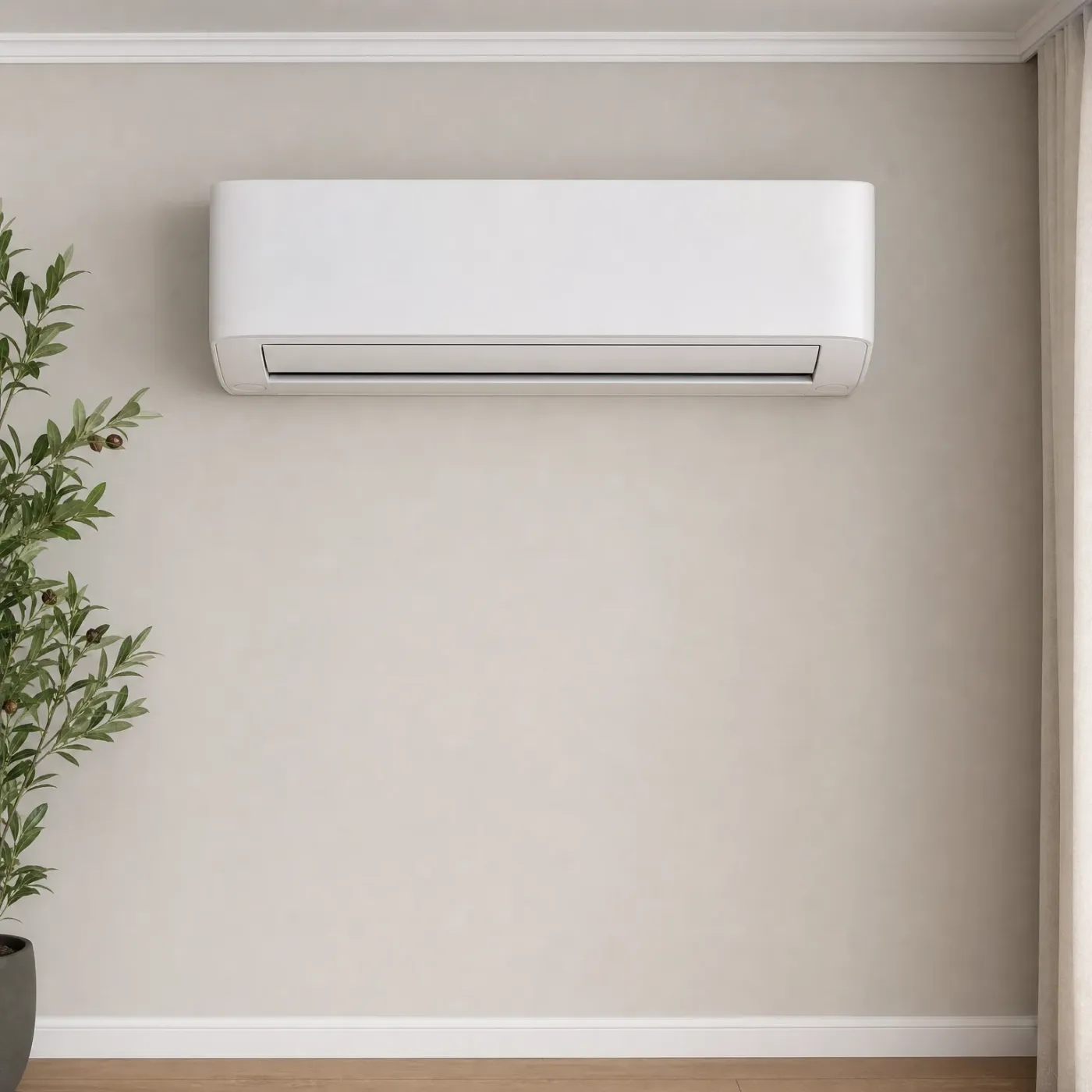
Clean and clear
A clean mini split like this one pulls heat from the outside air without a fight. Nothing blocking the vents, nothing caked on the casing. It can move heat into the room at the output it was built for, even when it's cold outside.
Get in touch with a local installer about a new mini split.
Get matchedA mini split can lower your heating bill, but it depends on what you're replacing. If it's taking over for electric baseboard or resistance heat, you'll likely see a real drop, since a mini split moves heat instead of generating it and uses a fraction of the electricity to do it. If it's backing up or replacing oil or propane heat, the savings are less certain. Connecticut winters push outdoor temperatures low enough that an older or undersized mini split loses efficiency right when you need heat most, and its backup resistance coil can kick in and run the bill up. A properly sized cold climate unit installed for your home holds efficiency much further down the temperature scale than a standard heat pump. Whether you save money comes down to the unit itself, how it was installed, and what it's replacing, not the technology in general.




Check what's heating your house when it's cold out. If the baseboards are still warm and the mini split only runs when it's mild, you're paying for both systems and the mini split isn't doing the job it's there for. A mini split that's sized right and set up to carry the house will run most of the time once temperatures drop into the 30s and below, and the baseboards should stay off unless it's a deep cold snap. If you're still running baseboard heat through most of January, the mini split isn't replacing that cost, it's sitting next to it. That's not a sign anything's broken. It's a sign the setup isn't matched to what the house needs from it.
A mini split pulls heat from outside air, even when it's cold.
A compressor concentrates that heat and sends it inside as warm air.
The indoor head blows that warm air directly into the room.
Below a certain outdoor temperature, output drops and backup heat may kick in.


Every mini split loses some output as it gets colder outside. There's less heat in the air for the outdoor unit to pull in, so it has less to give your room. Depending on the model, that drop usually starts somewhere around 5 degrees, though some units are built to keep working well below zero. When the outdoor unit can't keep the room at temperature on its own, a backup heat source covers the difference. On most systems that backup is electric resistance heat, the same kind baseboards use, and it costs more to run than the mini split does. That's why a bill during a hard cold snap can look different from a bill in November, even with the same thermostat setting. The point where backup kicks in isn't always fixed either. Some controllers let you raise or lower it. A unit sized too small for the room will also lean on backup more, even on nights that aren't especially cold, because it never had enough capacity to begin with.


A mini split's savings depend on how much heat your house loses while it's trying to keep up. In an older Connecticut house with gaps around windows and thin attic insulation, the unit has to run longer and harder to hold a temperature, and some of that heat leaks out before it does you any good. A tighter house lets the same mini split produce less heat for the same comfort, which is where the lower bill actually comes from. Sizing and placement matter too. A head that's too small for the room it's heating, or one installed where cold air pools, will run longer than it should.
Connecticut winters bring stretches where the temperature sits in single digits for days at a time, and that's when a mini split is working hardest for the least return. Backup heat kicking in during those stretches isn't a sign anything's wrong. It's the system doing what it's built to do. The bill you want to compare isn't one cold week against another, it's a full winter against what electric baseboard or resistance heat would have cost you over the same months. A mini split that's sized and installed right for your house and climate zone is what makes that comparison favor you.


Skip the round of in-home estimates for a new mini split.
It costs nothing to send, and you don't have to hire anyone.

Summers in Connecticut carry a dew point around 61°F, averaged across June, July and August, according to NOAA climate data. That's heavy, sticky air, and your mini split has to pull the moisture out before the room feels cool. A unit sized and installed right handles that load and the space dries out fast. One that's undersized or placed wrong will run long stretches just fighting the humidity, cycling less and drawing more power while the room still feels damp. You'll notice it on the muggiest days, when the air inside never quite feels dry even with the thing running.
NASA POWER T2MDEW county cells weighted by homes
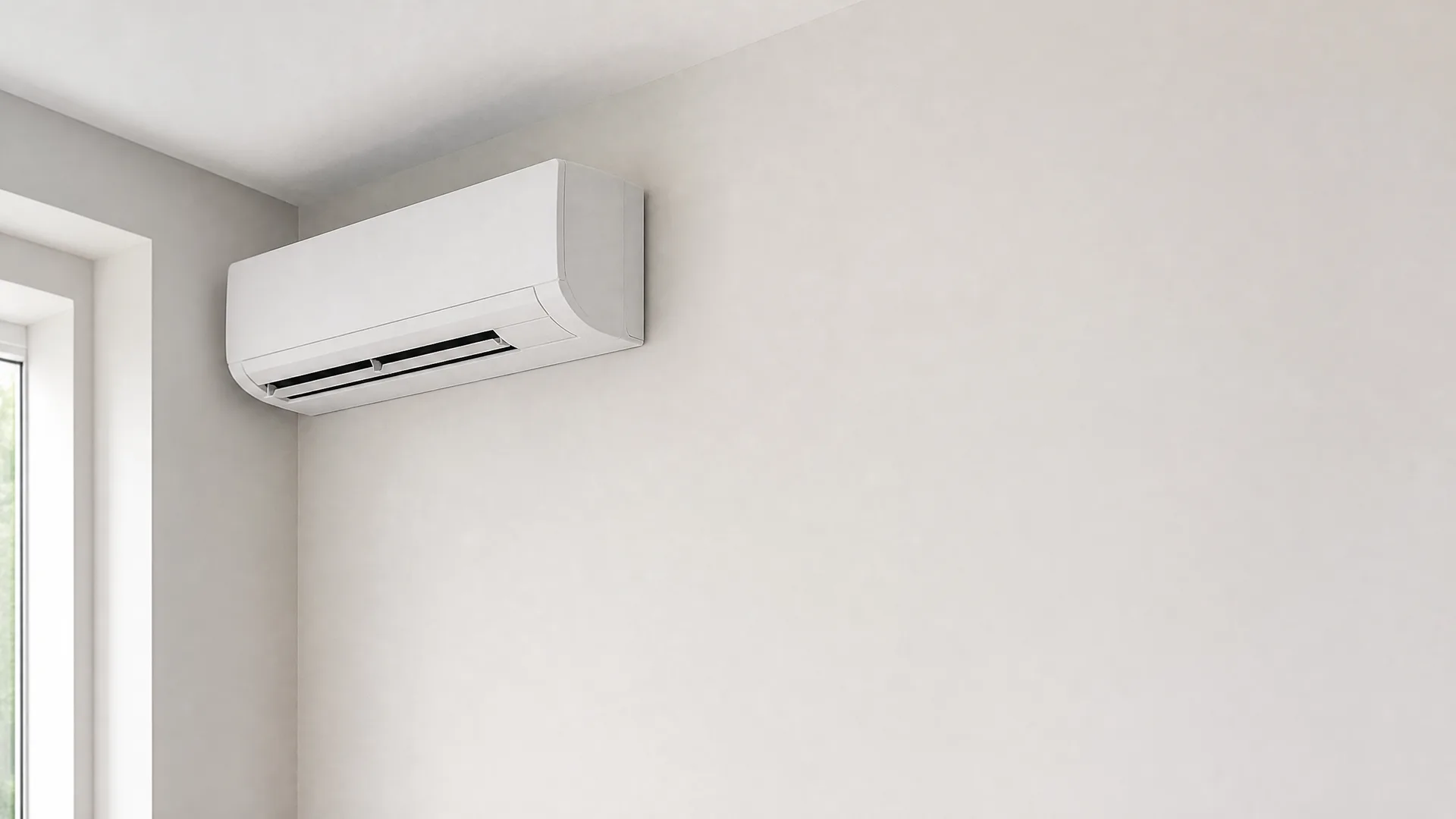
A mini split covering one room, say a living room addition, can cut that room's heat way down if it used to run on electric baseboard. The rest of the house still needs its own heat source, and that system keeps its own bill. You end up comparing two numbers: what that one room used to cost, and what it costs now. The rest of the house doesn't change.

A multi-zone system sized for the whole house is a different case. Every room gets covered, the old heat source can come off entirely, and the comparison is your old total bill against your new one. This is where Connecticut homeowners tend to see the bigger drop, since there's no second system running in the background to eat into the savings.
At 29.31 cents per kilowatt-hour, every hour your mini split spends straining instead of heating shows up fast on the bill. That's exactly why what it's replacing matters so much here. Swap out electric baseboard and the savings are real, because you're not paying that rate to generate heat, just to move it.
EIA-861 2025 statewide residential average
A clean mini split like this one pulls heat from the outside air without a fight. Nothing blocking the vents, nothing caked on the casing. It can move heat into the room at the output it was built for, even when it's cold outside.
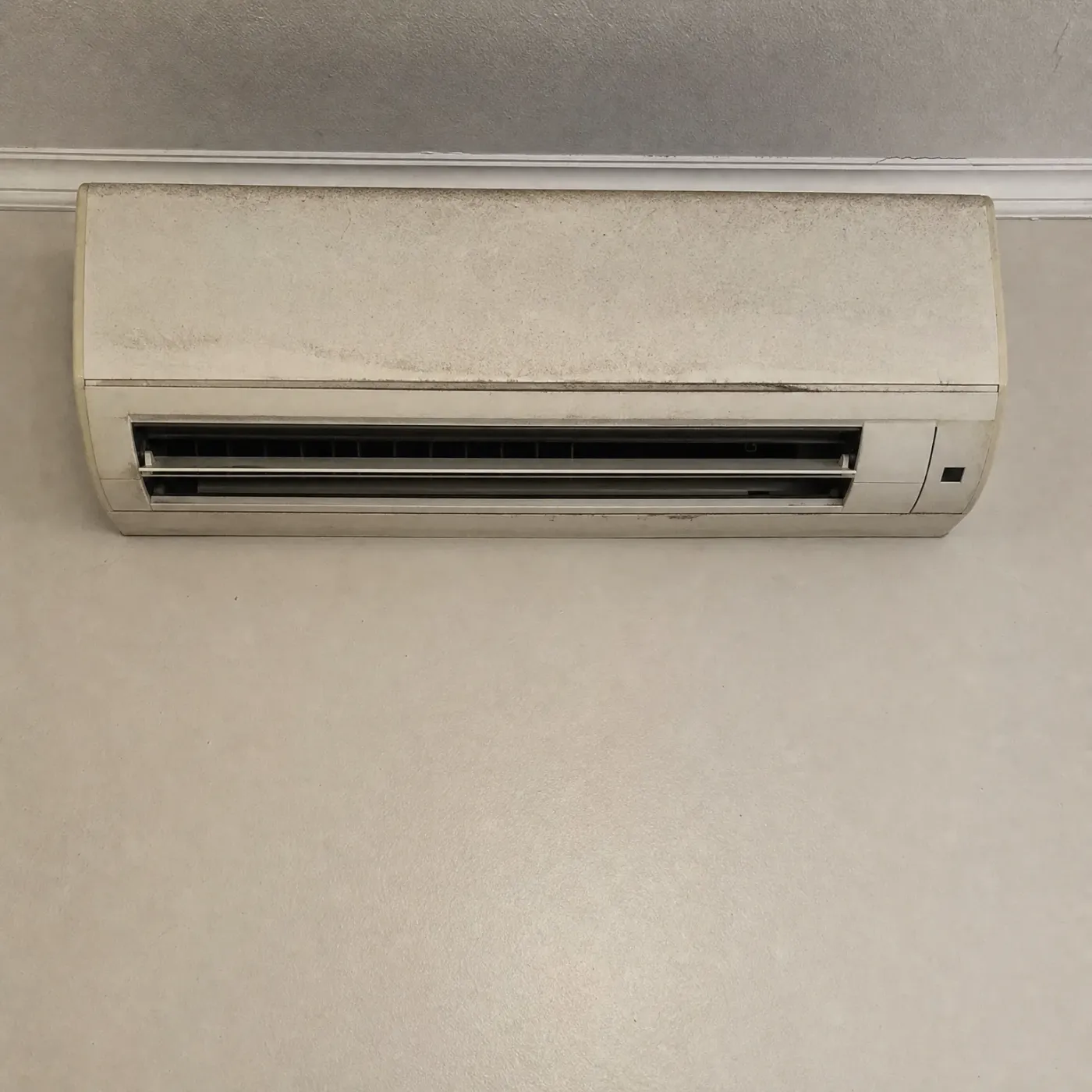
Grime like this across the casing and vents means the unit is working against itself. Air can't move through the coil the way it should, so the compressor runs longer to put out the same heat. Connecticut power costs enough without paying for that.

A mini split can bring your heating bill down in Connecticut, but only if the facts about your house back it up. It has to be replacing electric baseboard or resistance heat, not running alongside it. It has to still be sized for the cold snaps, not just the mild days. And the coil has to be clean enough to pull its full output from the outside air. Where any of that isn't true, the unit works harder than it should and the savings shrink or disappear.
If you've gone through this and you're still not sure where your system stands, a contractor who installs and services mini splits in Connecticut can look at your setup specifically, your house, your old heat source, your unit's capacity at low temperatures, and tell you what's actually going on. That's different from searching around and calling a few numbers to ask the same questions over again. Getting matched with someone who already knows the climate and the equipment means you explain your situation once, to someone positioned to answer it.

Get your mini split to the right pro